Bill Scott lives in Spartanburg, S.C. He says his eyesight isn't as sharp as it used to be. He's slower to react, too. So he leans on the self-driving software in his Tesla (TSLA) all the time. "It keeps me independent," he told a Wall Street Journal columnist.
Scott was one of nearly 2,000 readers who wrote to Journal columnist Christopher Mims. Mims had driven a Chevy Bolt through the Deep South, where chargers are scarce. Readers sent back praise, complaints and plenty of advice. He boiled it down to seven lessons. Here they are in our words.
The seven lessons, in plain words
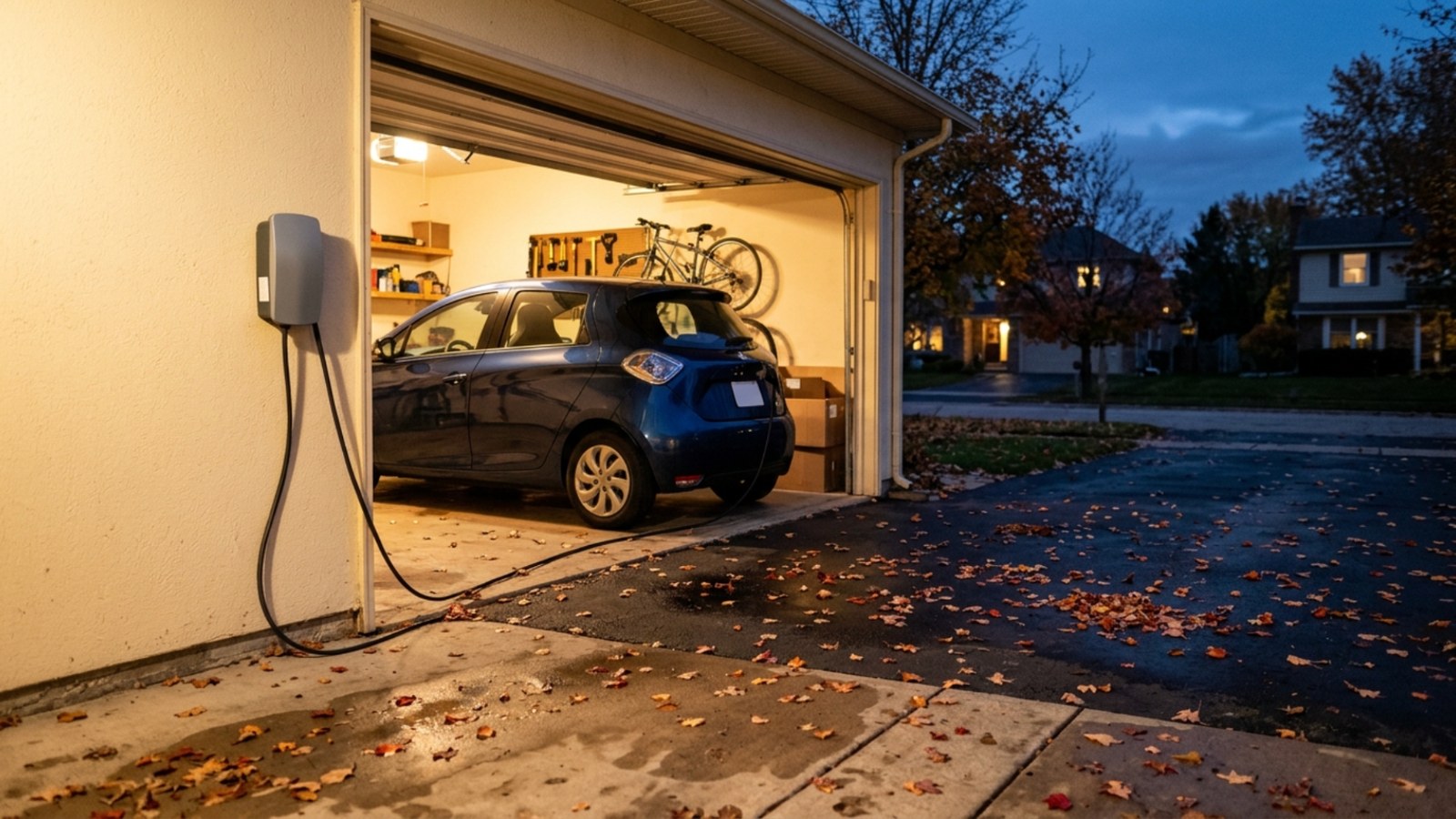
One, charging stops are slower than gas stops. A fast charge takes around 20 minutes, and a fill-up takes five. But most road-trippers stop every 200 miles or so anyway. Two, the savings are at home. Eric Bernholz of Maryland swapped a 2018 Audi for a used 2023 electric Mustang from Ford (F). He says it costs him about 4.7 cents a mile. The Audi cost 12 cents. He charges at home 99% of the time. On the road, Mims found, fast charging cost him as much as gas would have.
Three, driver-assist systems matter more each year. That's the software that helps with the driving. Mims says it can ease fatigue on long drives. He also warns that leaning on it too hard can lead to disaster. Four, upkeep shrinks. One Kia owner says his is down to wiper blades and tire rotations. Five, cold bites. Below freezing, an EV loses around 25% of its range. Near zero degrees Fahrenheit, the range could be cut in half.
Six, sometimes gas is the right answer. That's true if you take long road trips, tow a boat, or can't charge at home. Mims calls no home charger a deal-killer in most cases. Seven, there's no need to wait for better models. Nearly all EVs for sale in the U.S. now charge fast and go far. General Motors (GM) will make the Equinox EV its value model, starting at around $35,000.
Our read
This is a Cash Flow story (M5). For older drivers, it's a Retirement story too (M10). The sticker price is one number. The cost per mile, over the years you'll keep the car, is the one that counts. Bernholz's gap is about 7 cents a mile. For someone who drives ten thousand miles a year, that's about seven hundred dollars. His numbers are his own. Yours depend on your power rate, your gas price and where you charge. Scott's letter makes a second point. As eyesight changes, a car that helps you stay on the road safely is part of the plan. So is the day you hand over the keys. The model books hold two carmakers. Tesla is held at weight in 13 books and Toyota (TM) in 6. Nothing added. These are general planning principles, not advice.
Here's where it touches your own money. A car is one of the biggest bills most households have. This week, add up last month's gas receipts. Then estimate the miles you drove that month. Divide the dollars by the miles. That's your fuel cost per mile. Oil changes and repairs come on top of it. It's the number to bring to any car lot. If a parent's driving worries you, look at safer cars now, before a close call forces it. You check the tires before the trip, not on the shoulder. Bring the math to your next review, and we'll fit the car into the plan.