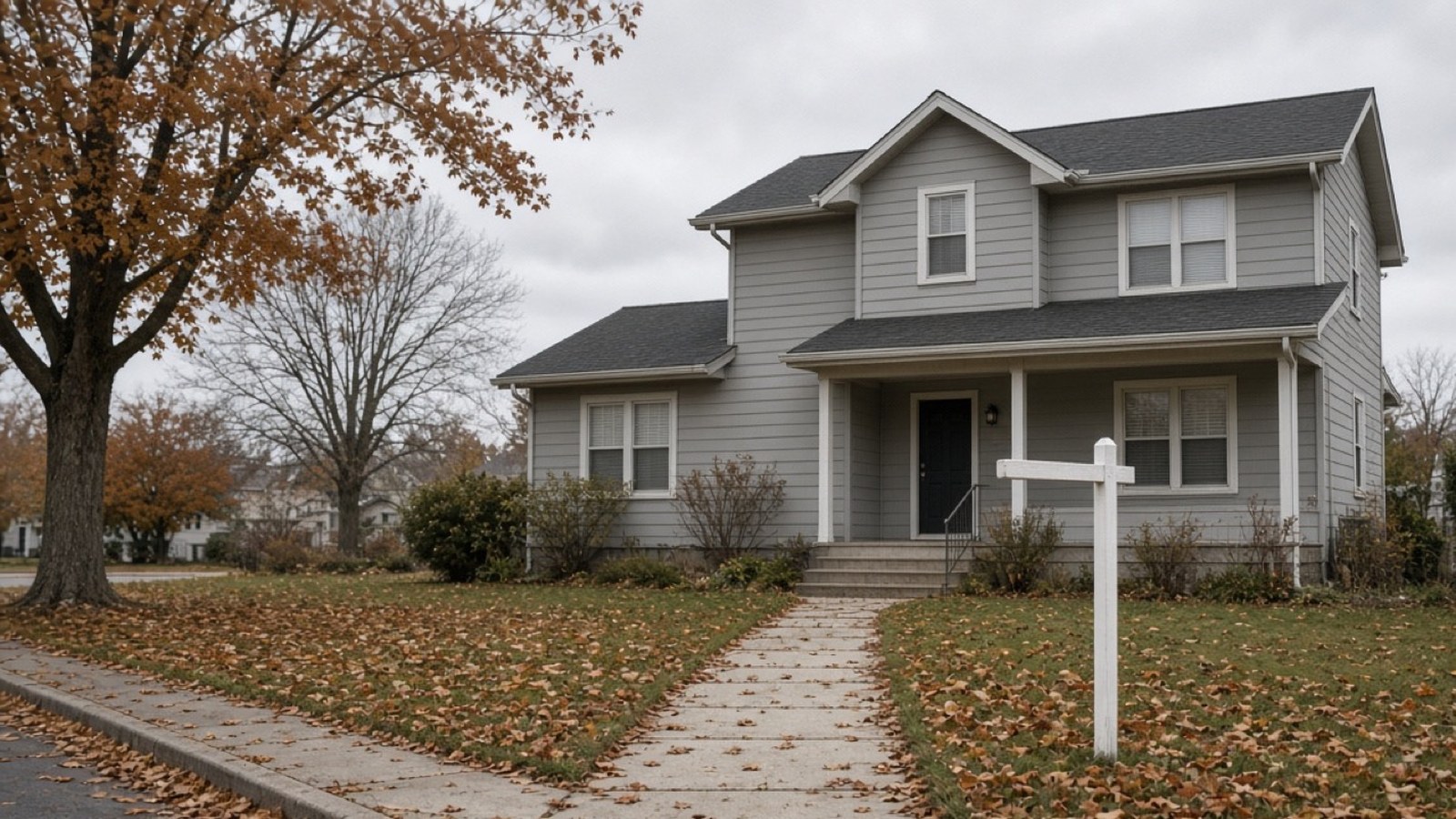
John Krueger went house shopping in Northwest Arkansas and found little competition. He closed in October on a house first listed at $540,000. He paid $490,000. "I knew there wouldn't be a ton of buyers," he told the Wall Street Journal.
Across the country, buyers have thinned out. The National Association of Realtors said Thursday, Nov. 12, that sales of existing homes fell 5.5% in October. That's a yearly pace of 3.75 million homes. Sales haven't been this slow since August 2010, in the years after the housing bust. The drop was worse than the 3.8% a Journal survey of economists had called for. Sales were 8.8% below last October.
High mortgage rates have kept buyers away, Nicholas G. Miller reported in the Journal. Rates briefly dipped below 6% in February. Most homes that closed in October went under contract in September, when a bond selloff pushed rates past 7%. Rates kept climbing in October, so the next few sales reports could look even worse, the Journal said. Freddie Mac's weekly survey now puts the 30-year fixed rate at 7.11%, down from 7.18% a week earlier. That's the fourth weekly drop in a row. Economists told the Journal they expect rates to stay high next year.
Prices haven't given much ground. The median existing home sold for $416,700 in October, up 0.4% from a year earlier, the Realtors said. Owners who locked in low rates years ago don't want to give them up. So fewer homes come up for sale, and prices sit near records. Goldman Sachs Research economists see only 3.9 million sales in 2027. Before the pandemic, the yearly count ran well over 5 million. No calendar year has come in under 4 million since 1995.
The buyers who are left can ask
Fewer buyers means more leverage for the ones still looking. In Denver, agent Christina Ray said sellers gave concessions in 65% of October's closings. Often the seller pays to lower the buyer's mortgage rate. Krueger got his price cut. He also took an adjustable-rate mortgage that starts at 6.15%.
Our read
This is a Housing story (M6). For a buyer with steady income, it's a market for asking. Ask the seller for concessions or a rate buydown, and ask early. Be careful with an adjustable loan, though. A 6.15% start is only the first chapter, and the payment can climb when the rate resets. We covered that risk in our Nov. 12 piece on adjustable-rate resets.
Start with the mortgage you already have. If you own, find your rate on this month's statement. Set a 30-year fixed loan next to Freddie Mac's 7.11%, or a 15-year next to its 6.45%. A fixed rate well under that number is an asset. Count it before you sell or trade up, because the next loan will likely cost more. If you're buying, get any adjustable loan's reset terms in writing this week. It's easier to check the roof before the clouds roll in. Bring the statement to your next review, and we'll look at both numbers with you.