Endless Sirloin Only Works If You Watch the Trash Can — and the Diesel Bill
CEO Lance Trenary’s rule: you can’t fool the customer. Waste breaks the math. So do beef prices — and diesel surcharges on every supplier invoice.
By Sean Anees Saifi · Capital Wealth · Published Thursday, October 1, 2026 · Source: The Wall Street Journal, Monday, September 28, 2026 edition, whose market figures are the Friday, September 25 close (Page One)
Key Points
Golden Corral, the U.S.’s biggest buffet chain at roughly 350 restaurants, lives on a tight equation, Heather Haddon reports: high traffic, food costs around 38% of sales, other occupancy costs near 10%, and almost no leftovers to go.
Dinner sirloin still aims for $15.99 to $18.99. Buffets average 150 items, about 80% made in house. A fried bone-in pork chop, at about 40% the cost of sirloin, is there to pull people off the steak.
If a dish is poorly made, diners dump it and reload — breaking the unlimited-meal math. Trenary: you can’t fool the customer. Losing 500 diners a week can spell trouble. Some busiest restaurants ring up $7 million a year.
Just about every supplier has tacked fuel surcharges onto Golden Corral’s bills as diesel prices shot up this year, Trenary said. Food, labor, and now fuel are the three squeezes. Refillable drinks around $3.20 are the extra that isn’t on the buffet price.
The chain is now offering 25 bone-in Buffalo wings or 50 boneless bites for $25 for delivery — stretching the all-you-can-eat idea off the steam table. Sales have been stable in recent years; a drop in Hispanic guests has hurt more recently.
350
approximate U.S. restaurants, largest buffet chain
38%
food costs as a share of sales, above typical restaurants
$15.99–$18.99
dinner sirloin price the chain is trying to hold
Diesel
supplier fuel surcharges on nearly every invoice this year
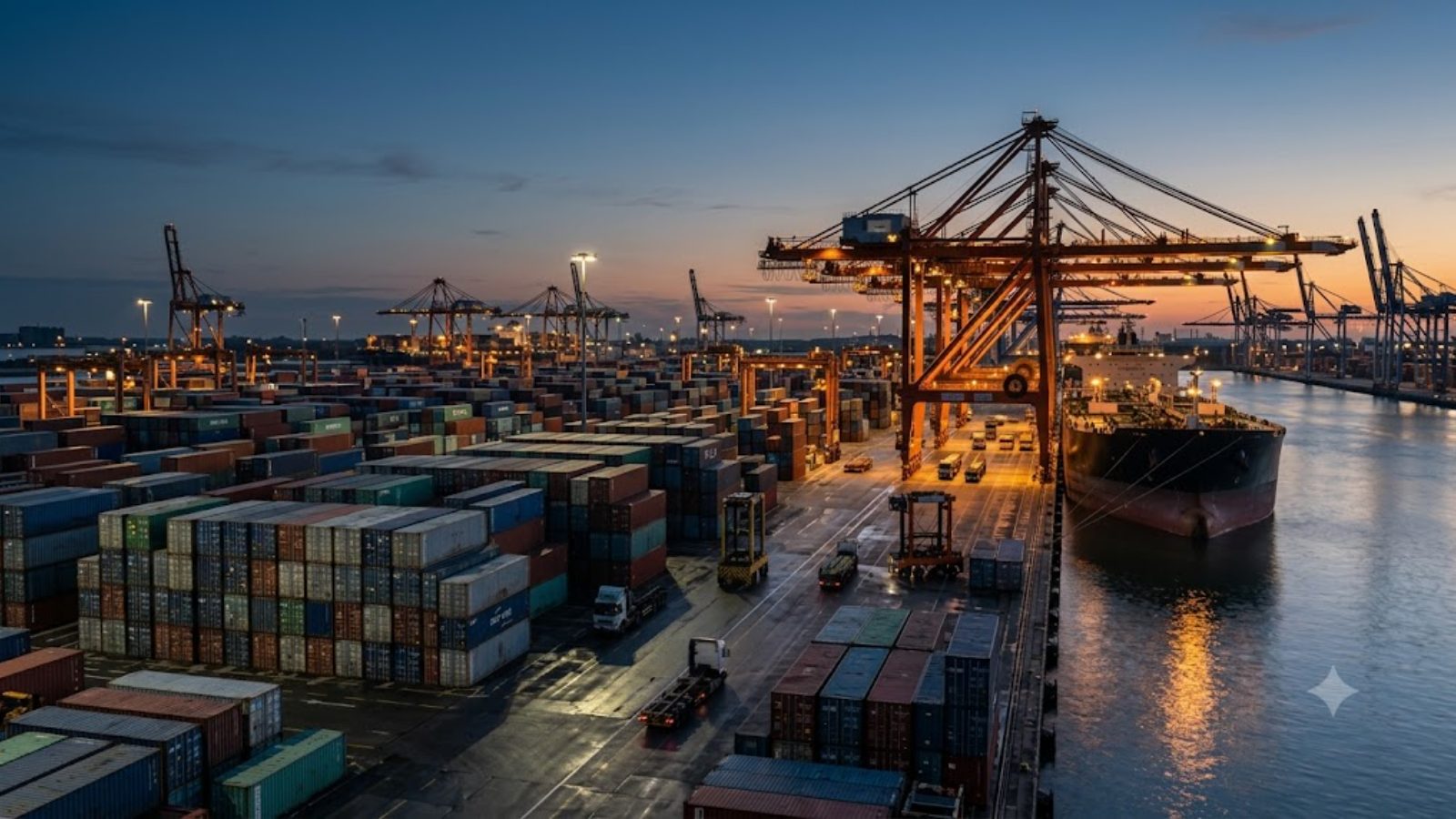
The buffet's real bill rides in on a truck: fuel surcharges reach the steam table before the diner sees them.
In one line: Golden Corral’s buffet math is food waste, $16 sirloin, and diesel surcharges on the invoices. Unlimited is a pricing trick that fuel can break.
All-you-can-eat looks like generosity. It is a spreadsheet. Golden Corral, about 350 restaurants, the country’s biggest buffet chain, watches what guests throw away as closely as what they take. A poorly made dish gets dumped; the guest reloads; the unlimited price breaks. CEO Lance Trenary told the Journal: “You can’t fool the customer.” Food is about 38% of sales, higher than a typical restaurant. Labor is lower because guests serve themselves. Occupancy and utilities need to stay near 10%. Takeout of leftovers would wreck it. Drinks at about $3.20 are the extra that isn’t on the steam table.
Dinner sirloin still tries to live between $15.99 and $18.99. A fried bone-in pork chop, about 40% the cost of that steak, is there to move people down-menu. Buffets average 150 items, roughly 80% made in house, in 15-minute cooking waves so the food doesn’t sit. Some of the busiest stores do $7 million a year. Lose 500 diners a week and the rent math fails. Sales have been roughly stable; a recent drop in Hispanic guests has hurt. This month they stretched the idea off-premise: 25 bone-in wings or 50 boneless bites for $25, delivered.
The new line item is diesel
Trenary said just about every supplier has tacked fuel surcharges onto the chain’s bills as diesel jumped this year. Food, labor, and now fuel. That is the same energy bill sitting under refiners, truckers, and a household grocery run. The house added Valero (VLO) on Sept. 28 at 1.5% as a diesel-and-export hedge; the trim is a published White House restriction on diesel exports, which has not been ordered. A buffet chain’s surcharge is the other side of that trade — the operating-cost side, not a reason to chase the stock.
Our read
Cash Flow (M5): unlimited is a price, not a gift. Households meet the same trick in all-you-can-eat gyms, streaming bundles, and premium cards — the sticker works only if you use the thing and if the hidden surcharge doesn’t eat the savings. Run the week’s food bill against the $16 plate and the $3.20 drink before calling it cheap. Inflation in beef and diesel is why the pork chop is on the line.
If dining out is a line in the budget, treat fuel and protein as the variables, not the slogan on the sign. Fifteen minutes with last month’s receipts. You don’t wait for the first surcharge to notice the plate got more expensive.
What It Means For Your Portfolio
Hold — unlimited is a price; diesel and waste are the real bill
Golden Corral still sells sirloin near $16 while suppliers add diesel surcharges. Unlimited only works if the trash can stays quiet.
General planning principles, not advice for anyone in particular. All-you-can-eat is a price, not a gift. It works when you would have eaten that much anyway and when the hidden extras — drinks, fuel surcharges, waste you pay for in the sticker — don’t eat the savings. The same pattern shows up in gyms, streaming, and annual-fee cards.
If eating out is in the household budget, watch protein and diesel the way a buffet operator does. The $16 plate is the ad. The invoice is the surcharge.