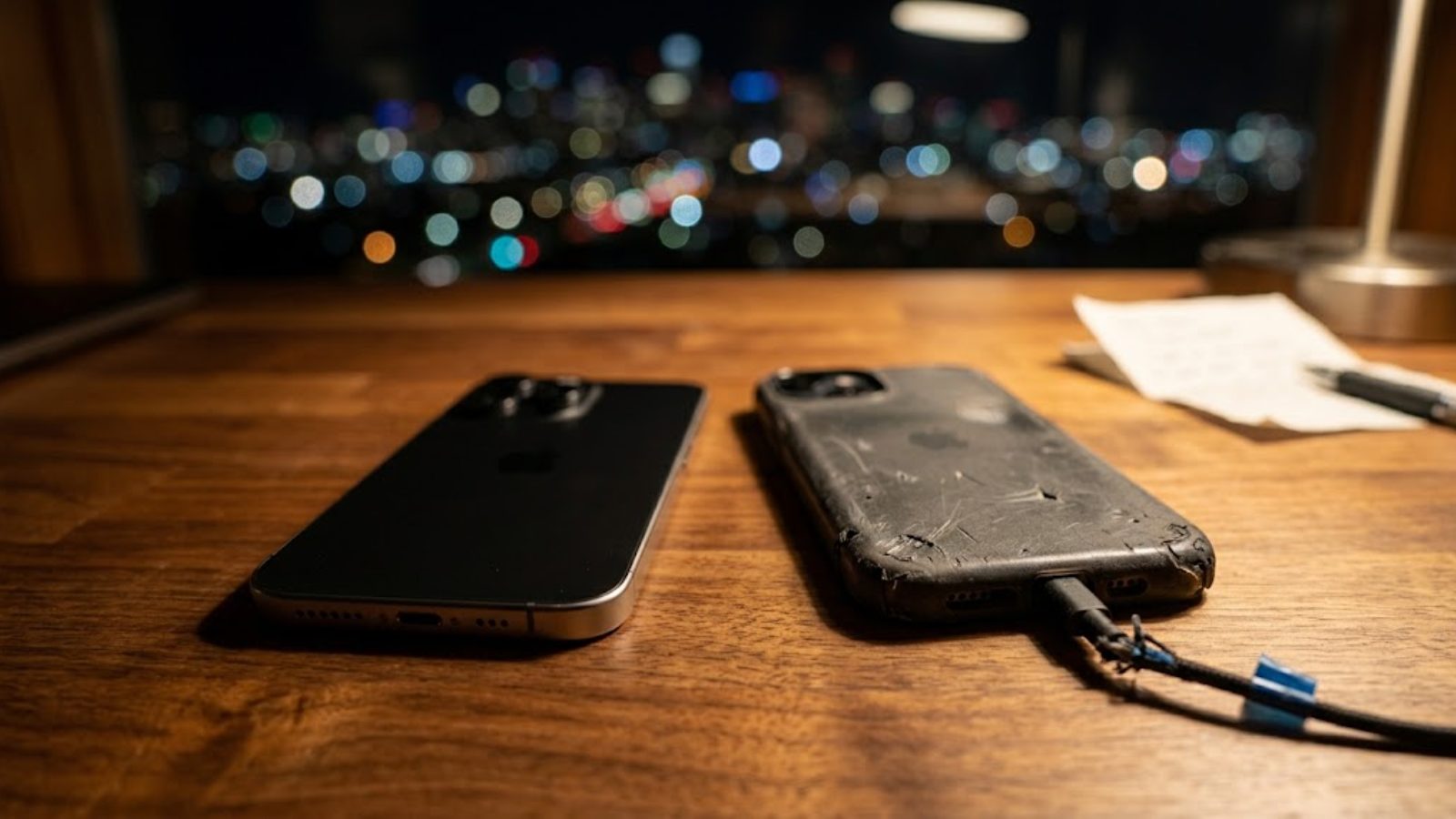
Readers, friends and family keep putting the same question to Nicole Nguyen: should I upgrade? The answer from the Journal’s Personal Technology columnist, in Tuesday’s Personal Journal, is refreshingly unglamorous — it depends, mostly on how you use your phone and how many birthdays the one in your pocket has had. That’s a polite way of saying the launch event doesn’t get a vote.
The iPhone 18 Pro looks like last year’s 17 Pro; the changes are mostly inside. There’s more battery (three extra hours of video playback on the Pro, six on the Pro Max) and a main camera with a variable aperture, tiny blades that open and close like a traditional camera’s. Side by side, she found the difference subtle, less so at night — and, she writes, “if you can’t tell which is better, you’re getting the picture.” The new A20 Pro chip impressed in benchmarks, but she couldn’t feel it day to day; Apple (AAPL) says it unlocks more AI, and she suspects developers haven’t caught up, so part of the price pays for features still waiting to be built.
Last year’s Pro, this year’s math
The 18 Pro starts at $1,199, and Friday’s Journal, covering the memory-chip crunch, reports that the 18 Pro and Pro Max each cost $100 more than last year’s models; Nguyen notes Apple raised the iPhone 17 and 17e by $100, too. She counts the 17 Pro among her favorite iPhones, with an 18-megapixel selfie camera, a 48-megapixel telephoto with 8X zoom and enough power for Apple’s most advanced on-device AI model. Unless your work lives on your phone, she figures, it’s a great upgrade, refurbished units can be good deals, and a 16 Pro or 15 Pro saves more; go older than that and the newer Apple Intelligence features pass you by.
The watch math is simpler. The Series 12, from $399, and the Ultra 4 now check your heart rate every five seconds instead of every five minutes, and in her cycling and Pilates sessions over 97% of the Series 12’s readings landed within five beats per minute of a chest strap. The latest watch software runs on models back to the Series 9 and SE 3, so she’d upgrade only if yours is older than that or you’re serious about fitness. If all a watch needs is a stronger battery, a replacement costs $99.
Our read
An upgrade is a marginal-value purchase, and the column is a tidy lesson in pricing the margin (M5, cash flow). Start with what’s wrong with the phone you have: a battery that won’t last the day, storage that’s full, a model too old for the features you use. If nothing is, $1,199 and up buys more battery, a better night shot and a chip waiting on software — money well spent if photos pay your bills, a luxury if they don’t. Last year’s flagship, especially a refurbished one, delivers most of the same phone, often for less. (The investor’s side of the memory crunch is in this edition’s gadgets story.)
Then take the calendar out of it. Treat phones, watches and laptops as a replacement line in the budget — a known cost every few years, funded a little each month — and a $100 price bump becomes a line-item tweak instead of a surprise. Sometimes the smartest upgrade is the one you postpone a year on purpose.