 Capital Wealth Daily
The Weekend Edition: What Money Can’t Buy.
The Weekend Edition. The Off Duty, Mansion and Review sections of the August 21 and 22–23 Journals, with no markets in it on purpose. A billionaire who can’t get into the country club, a pitcher the algorithms rejected, a $2.8 million house built so the kids would come home, a $3,100 bedsheet, a $17,640 T-shirt, a $140 dinner that is all dessert, and Adam Smith at 250.
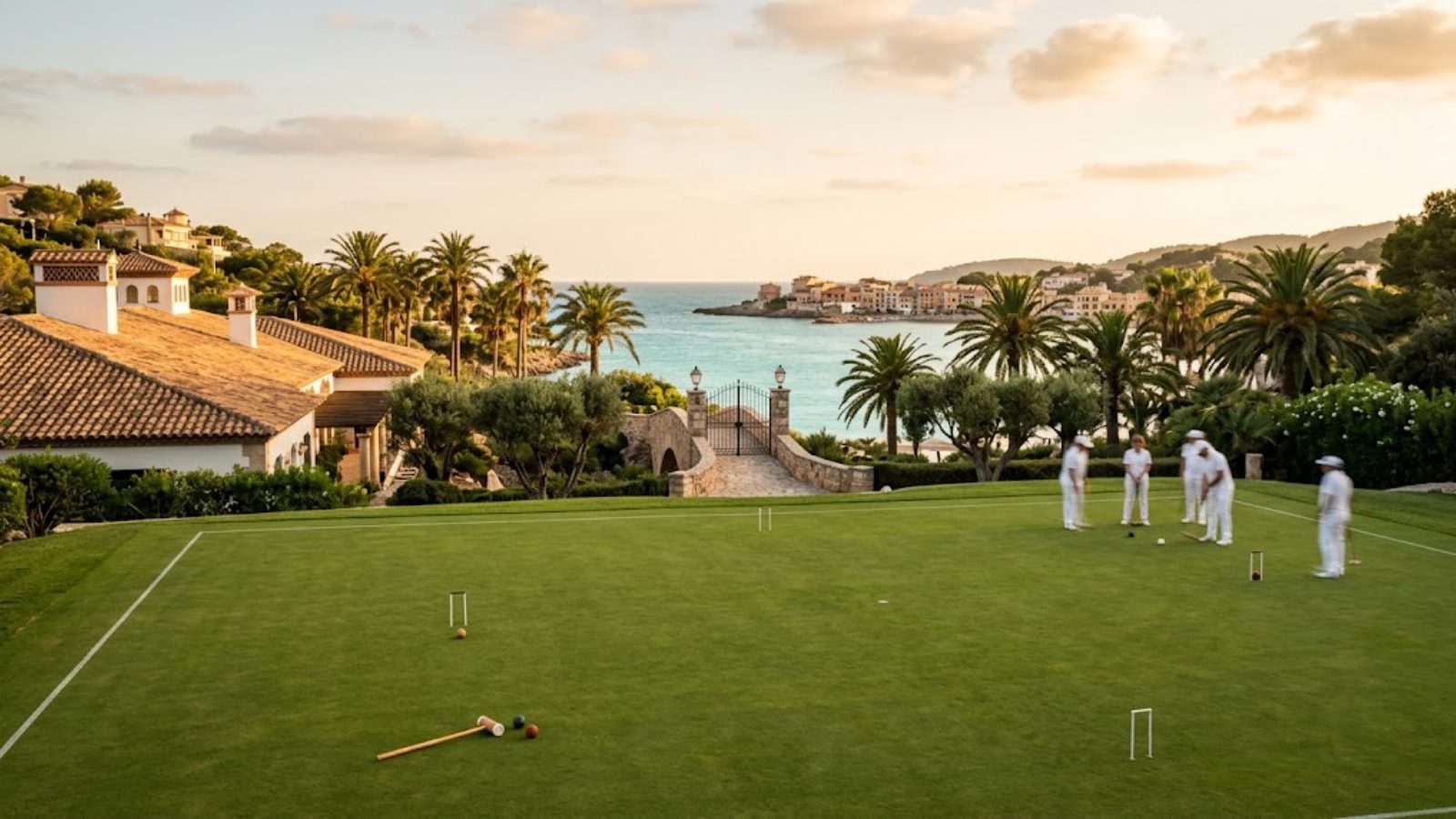
Bezos spent $234 million on the island. The club still won’t let him in.
Jeff Bezos owns three houses on Indian Creek, bought for about $234 million. In February he worked the country club’s dock party, hoping to be let in. Six months later, still no invitation. The club has 350 members, a $1 million initiation fee and $44,000 in dues. Its board of retirees has decided that too much wealth counts against you. The Kushners were snubbed. A plastic surgeon gave up after four years and sold to Zuckerberg for $170 million. Carl Icahn got in for $7.5 million in 1997, because he treated it as an undervalued asset, early.
Our TakeMoney buys the house. Time buys the neighbors. Action: if a move is in your plan, start the courtship before the closing, because belonging compounds and can’t be bought in a lump sum.
Bezos paid $234 million to live behind a gate. That is the membership economy, priced.
A 1967 Grateful Dead T-shirt sold for $17,640. Your attic is somebody’s asset class.
The $300 bat and the tournament weekend. Youth sports is a line in the budget now.
They spent $2.8 million so the teenagers would stay home. It worked.
The Wealth of Nations turned 250, and it still explains this week better than most columns.
Off Duty · The Human File
5 stories · 3 pictured · 2 listed
His name is Tugboat. He throws 90. The algorithms said no.
Speed isn’t everything, in pitching or in a portfolio. Believe the results, watch how it works, and size it as if hitters will adjust.

Alcaraz is back. The grounds pass is $350. Both things are true.
Don’t rush the recovery, and know the gap between face value and street value before you pay it. Neither is about tennis.
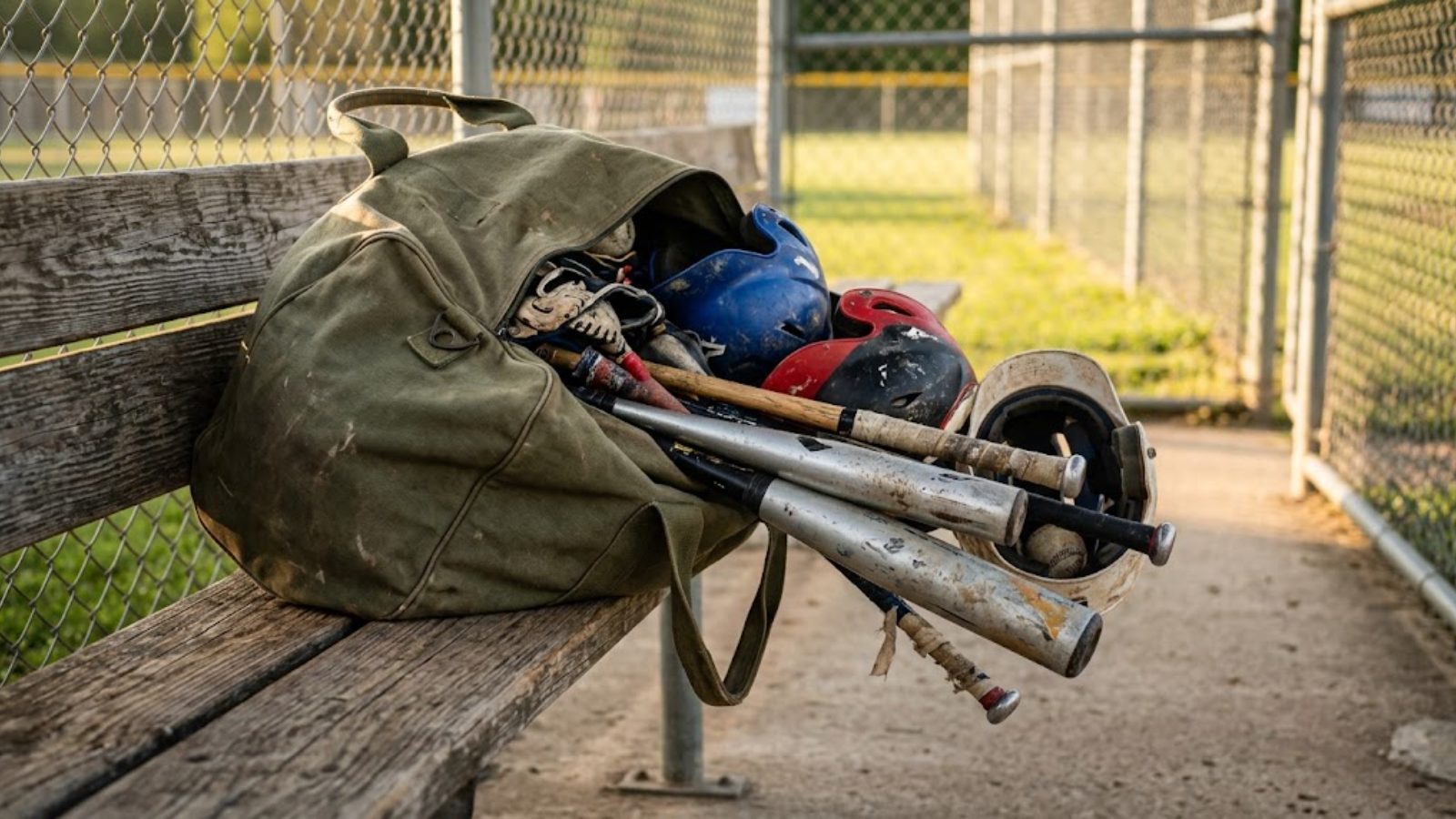
The $300 bat, the canvas bag, and the tournament that got rained out.
Youth sports is the most common unplanned line in the budgets we see. Know the number, budget for the car rides, and go easy on the bat.
Your Money · At Home
5 stories · 3 pictured · 2 listed
The $140 dinner that is entirely dessert.
Kitchens cut pastry to save money, and scarcity turned it into a luxury. Put the experience line in your plan with a number, and cap “unlimited” yourself.

The modern home bar has a cannabis seltzer and a $40 fake Negroni.
Taking the alcohol out made the drink cost more. The wellness wallet grows in $16 four-packs, so know where the grocery line went.
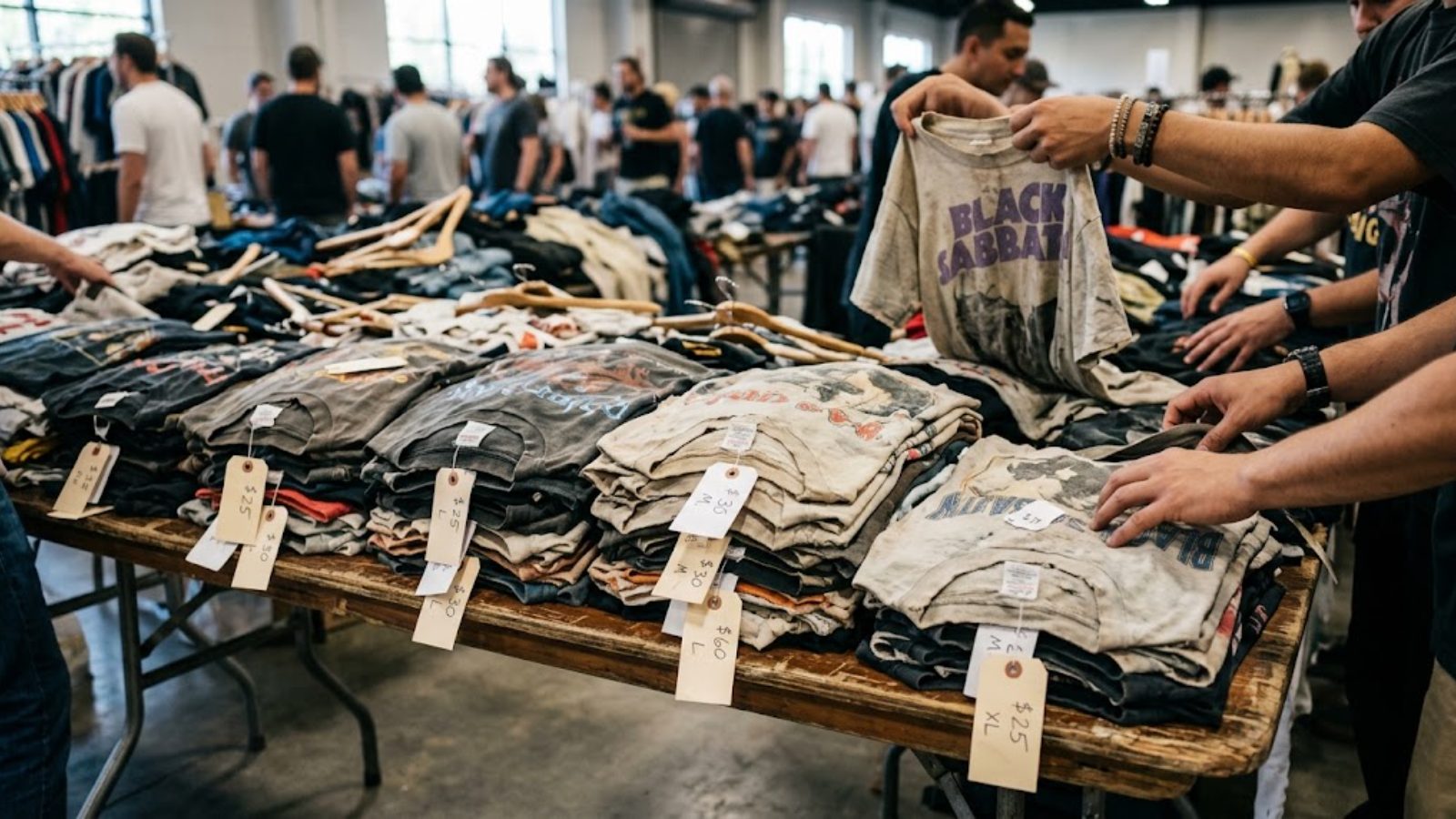
A 1967 Grateful Dead T-shirt sold for $17,640. Yours is in a landfill.
The winners are real, but the odds are tiny, and the man who cashed in worked flea markets for thirty years. Wear it. Don’t plan on it.
Mansion · The Home File
2 stories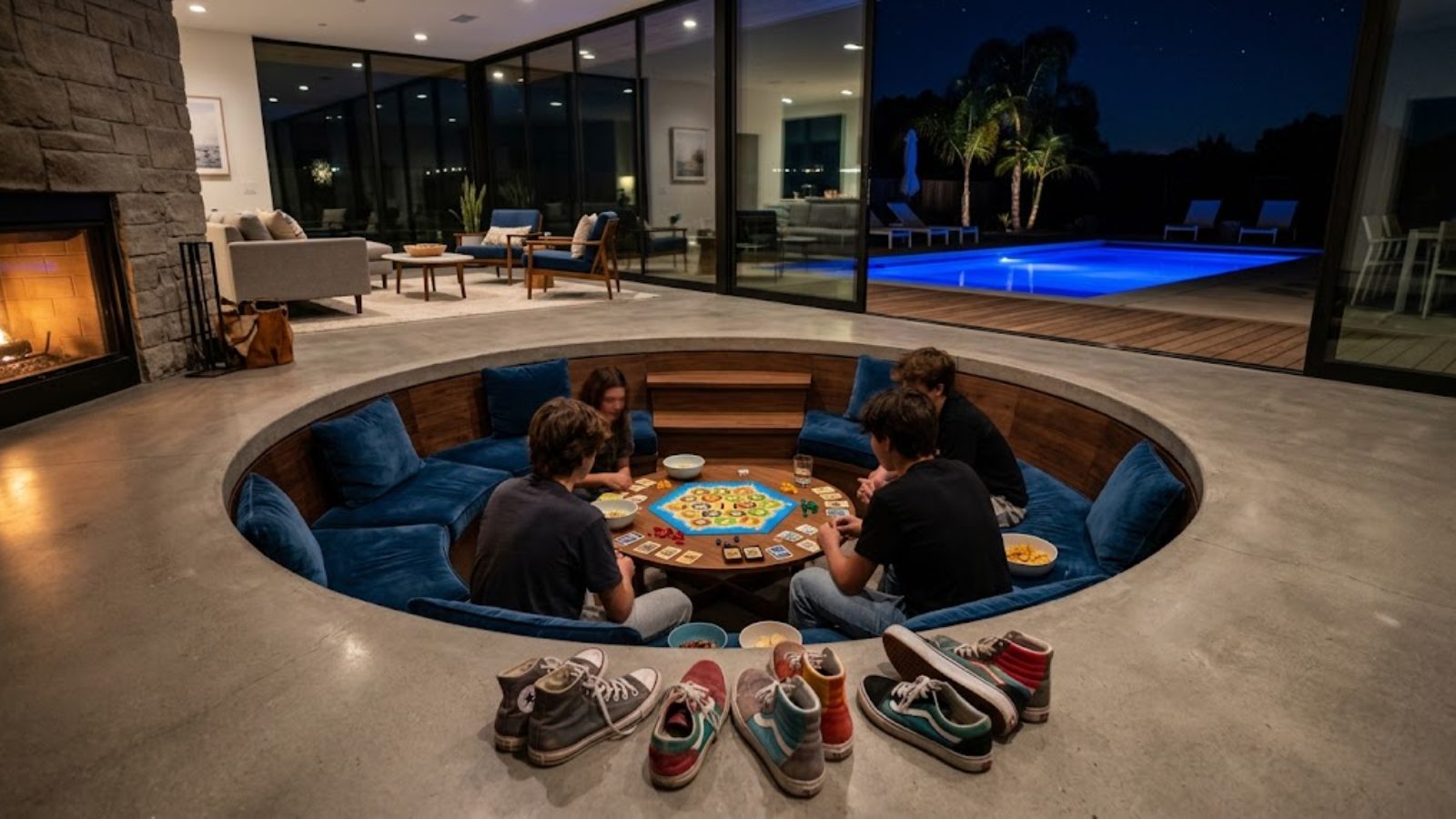
They spent $2.8 million so their teenagers would stay home. It worked.
The documents move the money. The house is where the family comes back. A forever home is only forever if you decide to stay.
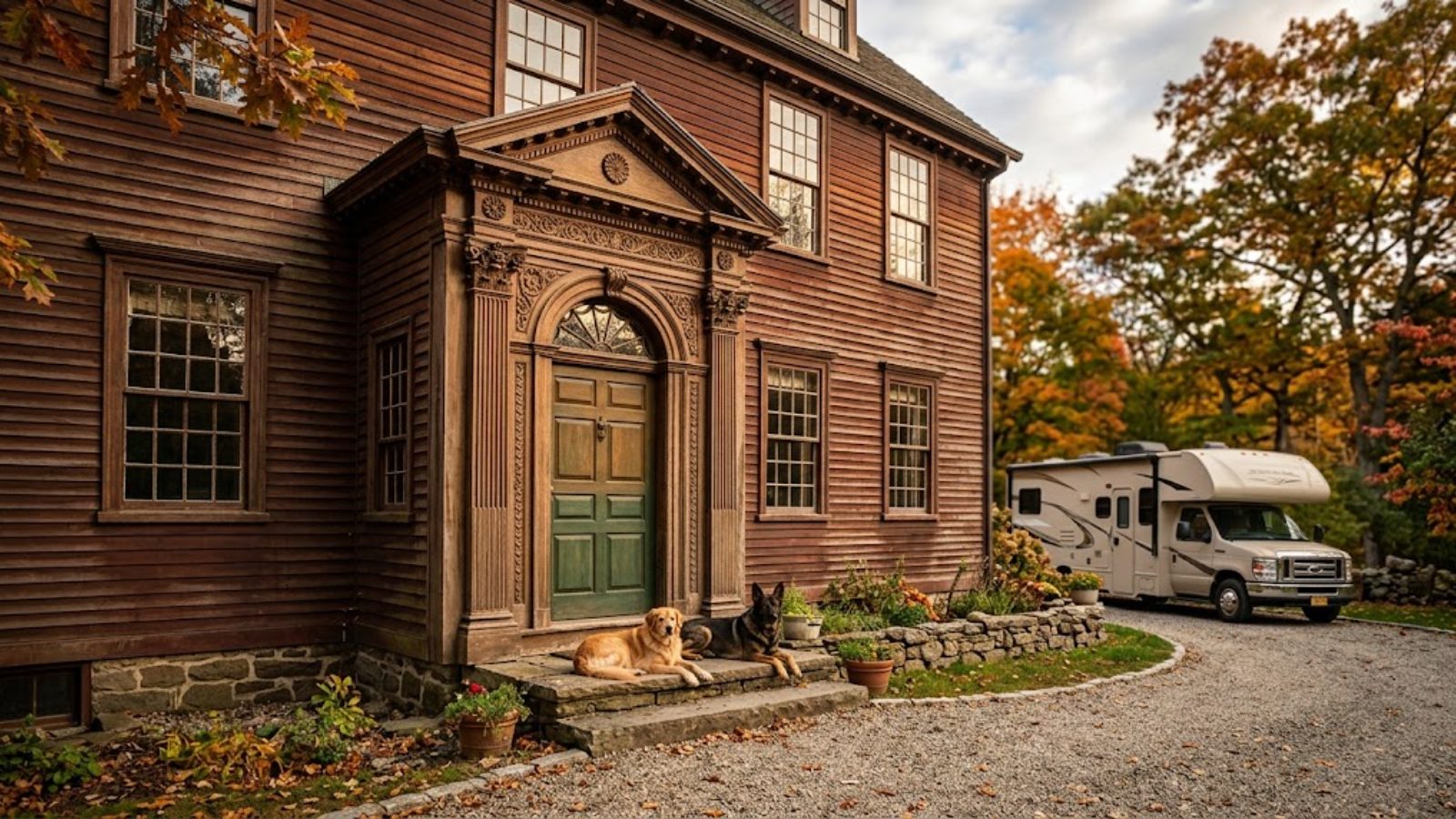
They paid $399,000 for the house that jailed Ben Franklin’s son.
The old-house dream is a hobby you might break even on. Keep the money ledger and the doorway ledger separate, and never count the second as the first.
Review · The Bookshelf
1 story
From the desk Bias, the book, what’s priced, the planopen
No markets in this one, on purpose. The Saturday paper is the one Sean hands to prospects. The stories that get a conversation started are never the ten-year yield. They are a billionaire who can’t get a tee time, a 250-pound pitcher the algorithms rejected, a couple who built a $2.8 million house so their teenagers would stay, and a 1967 Grateful Dead shirt worth $17,640. Every one of the fourteen ends with a planning point. None of them carries a trade.
- Money buys the house; time buys the neighbors (Indian Creek).
- Velocity isn’t everything (Tugboat).
- One inflation number for everything is the polo, not the loafers (The Shards).
- A fixed pension is a bet on the currency (Adam Smith’s £300, no escalator clause).
- S&P7,674.37
- DJIA53,277.01
- NASDAQ26,180.45
- 10Y4.737%
- OIL$87.06
- GOLD$4,624.10
- VIX 15.13 — the full read is in Saturday’s No. 157.
- Gillian Anderson skips breakfast and listens to German techno
- Portugal’s Comporta gets $13.8 million villas and keeps its horse-stable restaurant
- Dan Neil drives the Ford Maverick and prefers the hybrid
- Prince Harry and Meghan are coming back to Britain and the tabloids can hardly wait
- An 18-year-old’s sword attack at a Swedish school
- Hyundai’s first full-day strike in a decade
- English graduates owe $70,000 and call it the graduate tax
- A claw machine that wants you to win
- Jeanie Buss fights five siblings for 17.8% of the Lakers
- The Nobel in literature stays very European
- Marching Bands, by Mike Shenk.
the weekend’s three triggers. If a move is in your plan, budget time for the neighbors as well as money for the house. If youth sports is in your budget, find the number. And if you are retiring on a fixed pension, re-read the sentence about Adam Smith’s £300 and no inflation clause.